
- Your cart is empty
- Continue shopping
-
Best Steroids UK
- Posted on
- Categories:Uncategorized
- 0 comments
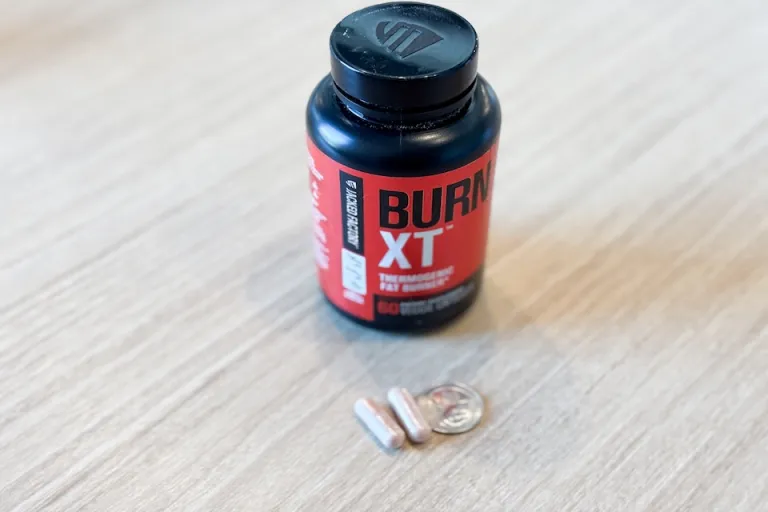
Fat burner tablets are one of the most searched supplements in the fitness world. They’re often marketed as a “quick fix” for losing weight, but the reality is more nuanced.
To understand whether they actually work, it helps to look at how they function, what ingredients they contain, and what results you can realistically expect.
What Are Fat Burner Tablets?
Fat burner tablets are dietary supplements designed to support fat loss, usually by increasing energy expenditure, reducing appetite, or improving focus during training.
Most fat burners do not directly “melt fat.” Instead, they aim to support the conditions that make fat loss easier, such as:
- Increasing calorie burn
- Boosting energy levels
- Reducing hunger or cravings
- Improving workout performance
They are best viewed as support tools, not magic solutions.
How Thermogenic Fat Burners Work
Many fat burners are classified as thermogenics, meaning they increase heat production in the body. This process can slightly raise your calorie burn throughout the day.
Here are some of the most common active ingredients:
1. Caffeine
Caffeine is one of the most widely used fat-burning compounds in the world.
It works by:
- Stimulating the central nervous system
- Increasing alertness and energy
- Enhancing workout performance
- Slightly boosting metabolic rate
Because of this, caffeine can help you train harder and burn more calories indirectly.
2. Green Tea Extract
Green tea extract contains compounds called catechins, particularly EGCG.
It is believed to:
- Support fat oxidation (fat used for energy)
- Slightly increase metabolism
- Work synergistically with caffeine
While the effect is mild, it can contribute to overall fat loss when combined with diet and exercise.
3. Yohimbine
Yohimbine is a compound derived from the bark of an African tree.
It is often used in fat burners because it may:
- Target stubborn fat areas (in theory)
- Increase adrenaline levels
- Enhance fat mobilization during fasted training
However, it can be strong and may cause side effects like increased heart rate or anxiety in some users.
Fat Loss vs Weight Loss: What’s the Difference?
One of the biggest misunderstandings in fitness is the difference between fat loss and weight loss.
Weight Loss
Weight loss simply means your total body weight decreases. This includes:
- Fat
- Water
- Muscle mass
- Glycogen stores
The scale goes down—but not necessarily in a healthy or desirable way.
Fat Loss
Fat loss specifically refers to reducing body fat while maintaining muscle mass.
This is what most people actually want when using fat burners.
Key signs of fat loss include:
- Leaner appearance
- Reduced body measurements
- Improved muscle definition
- Stable or slower scale changes
Do Fat Burner Tablets Actually Work?
Yes—but with important limitations.
Fat burners can:
- Slightly increase calorie burn
- Improve energy for training
- Help control appetite in some users
- Support adherence to a calorie deficit
However, they do NOT:
- Replace a calorie deficit
- Burn fat on their own
- Produce dramatic weight loss without diet and exercise
In other words, fat burners work best when everything else is already in place.
What Results Are Realistic?
This is where expectations matter.
If your diet and training are consistent, fat burners may help you:
- Lose a small additional amount of fat over time
- Improve workout intensity
- Maintain energy during a calorie deficit
However, realistic expectations are:
- Modest improvements, not dramatic transformations
- Fat loss still depends mostly on diet and activity
- Results vary depending on genetics, lifestyle, and consistency
A good way to think about fat burners is as a 10–15% support boost, not the foundation of fat loss.
Final Thoughts
Fat burner tablets can be useful, especially when they contain ingredients like caffeine, green tea extract, or yohimbine. They may help increase energy, support metabolism, and improve workout performance.
However, they are not a replacement for:
- A structured diet
- Regular training
- Consistent calorie control
True fat loss still comes down to creating a sustainable calorie deficit over time.
